Unlocking Rapid Pain Relief: The Ultimate Guide to Quality Physical Therapy
Unlocking rapid pain relief begins with a focused, evidence-based physical therapy plan tailored to the patient’s needs and goals, emphasizing early intervention to minimize physical setbacks and promote healing. In practice, integrating a thorough movement investigation and targeted gait analysis can reveal compensatory patterns that perpetuate persistent discomfort or intermittent aches; clinicians then design a customized plan that blends manual techniques, therapeutic exercises, and patient education to support injury prevention and alleviate acute symptoms. For clinics seeking operational guidance, the clinic management and practice strategies resource highlights workflows that improve patient flow and outcomes while ensuring licensed therapists deliver consistent care. Case studies show outpatient rehabilitation programs that incorporate objective outcome measures reduce return visits by measurable percentages, and combining Chiropractic care with therapeutic plans often enhances alleviating pain without immediate surgery. Prioritize clear diagnosis and treatment pathways, involve medical doctors when needed, and measure progress to achieve lasting relief and restore function efficiently.
Infographic showing stepwise rehabilitation with gait analysis and functional milestones across recovery timeline
Navigating Your Wellness Journey: A Comprehensive Look at Physical Therapy Deerfield Beach
Navigating your wellness journey in Deerfield Beach requires cohesive coordination among physical therapists, chiropractors, and medical doctors to address injuries and conditions ranging from sciatica to carpal tunnel syndrome. A patient-centered clinic will offer a free screening to triage acute cases, outline an individualized therapeutic plan, and coordinate care for Workers’ Comp issues or insurance claims. Integrating an exclusive software platform for scheduling and outcomes tracking streamlines communication with referring physicians and supports clear diagnosis and treatment documentation; for clinicians exploring AI-enhanced workflows, AI tools for clinical decision-making describes how data can inform personalized treatment goals. In the Boca Raton, Deerfield Beach FL corridor, combining occupational therapy with targeted manual therapy accelerates recovery after surgery or post-surgical physical therapy protocols, while emphasizing injury prevention and pain relief to reduce future physical setbacks. Patients benefit from measurable milestones, educational resources, and collaborative care that focuses on lasting relief, enabling them to resume daily activity and sports injuries rehabilitation confidently.

Team coordinating interdisciplinary rehabilitation plans with patient-centered measurement tools
Understanding Advanced Physical Therapy Approaches
Demystifying a specific condition like sciatica or a back injury requires a methodical approach: thorough history, targeted examination, and evidence-based interventions that favor a non-surgical approach when appropriate. Advanced physical therapy protocols use functional assessments, movement investigation, and progressive loading to restore tolerance and reduce intermittent aches while addressing postural anomalies that contribute to symptoms. For patients recovering from auto accidents or sports related injuries, combining manual therapy with graded exposure and neuromuscular re-education helps address neck pain, shoulder pain, and back pain effectively. Rehabilitation professionals should document outcomes, adapt the customized plan, and emphasize injury prevention through home exercise programs and ergonomic advice. When red flags appear, timely referral to medical doctors for imaging or surgical consultation preserves patient safety and optimizes long-term outcomes. Clinicians who blend specialized treatment services, such as gait analysis and occupational therapy, can accelerate functional return and minimize recurrence.

Clinical diagram showing nerve root compression assessment and progressive therapeutic exercise stages
Essential Elements of Effective Pain Management in Med America Rehab Therapy
Effective pain management in Med America Rehab settings combines multimodal strategies tailored to the individual: targeted modalities, manual therapy, therapeutic exercise, and patient education about persistent discomfort and pain neuroscience. MedAmerica programs emphasize licensed therapists working within defined clinical pathways to deliver outpatient rehabilitation that balances symptom relief with functional restoration; integrating pain scales and functional outcome tools supports data-driven adjustments to the customized plan. For complex cases such as carpal tunnel syndrome or post-surgical physical therapy, coordinated care between physical therapists, chiropractors, and surgeons ensures clear diagnosis and treatment decisions, reducing unnecessary imaging and expediting healing injury. Implementing a patient-centered approach that includes therapeutic plans for alleviating pain and strategies for lasting relief has demonstrated improved return-to-work rates and higher patient satisfaction. Incorporating regular re-evaluation and helping patients adopt self-management techniques fosters long-term health control and reduces reliance on passive modalities.
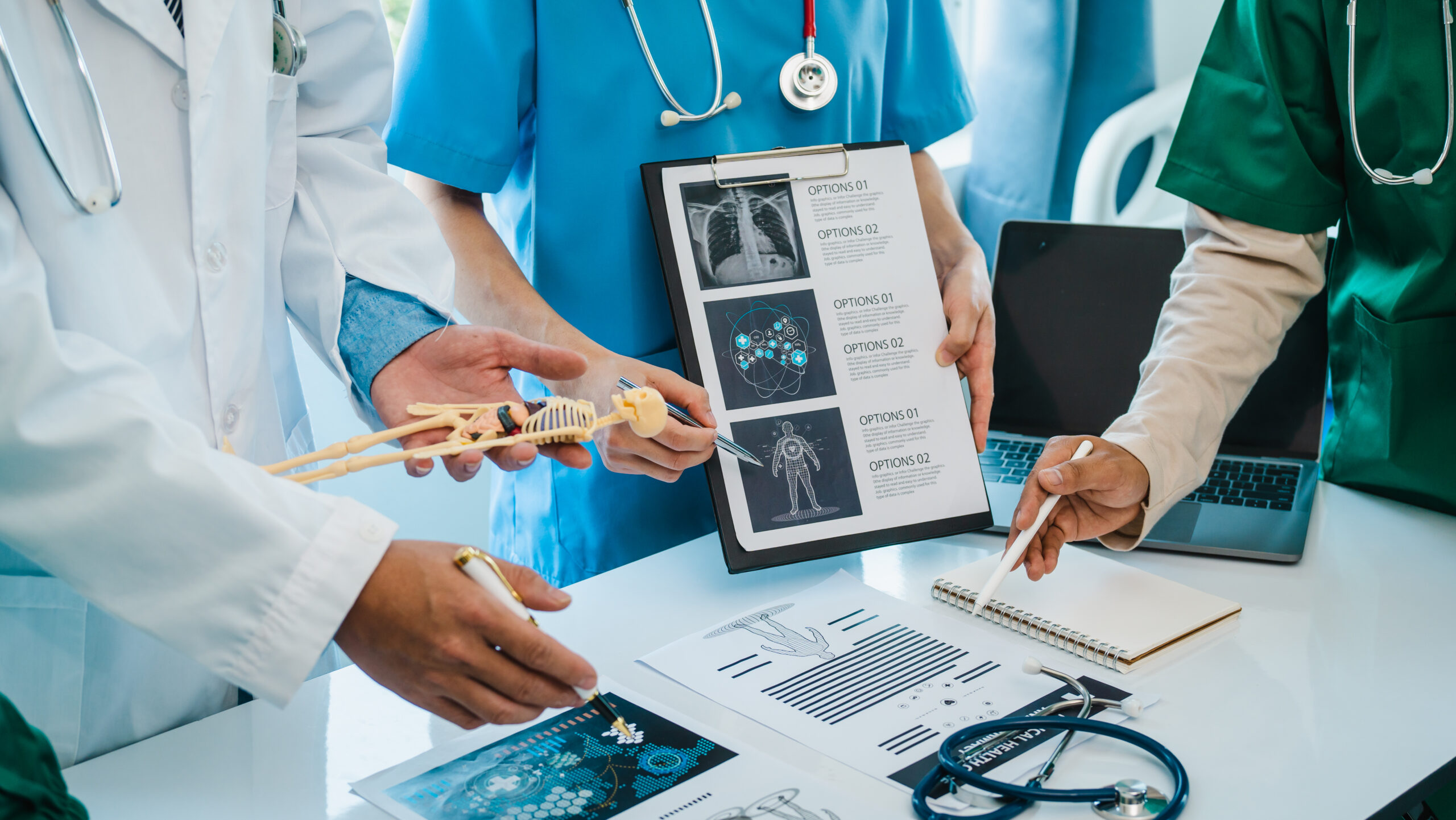
Visual flowchart of multimodal pain management integrating exercise, manual therapy, and patient education
Revolutionizing Health: Achieving Quick Recovery and Lasting Pain Relief with Med America Rehab and Quality Care
Revolutionizing health in outpatient settings centers on delivering measurable outcomes through coordinated Med America Rehab Therapy programs that emphasize diagnosis and treatment pathways for common issues like back injury and sports injuries. Clinics that adopt outcome-driven therapeutic plans and collaborate with medical doctors and physical therapists can shorten recovery timelines while maintaining safety benchmarks for surgery consideration. A multidisciplinary approach — combining physical occupational speech therapy when indicated, occupational therapy, and Chiropractic care — supports holistic recovery after auto accidents or orthopedic procedures. Implementing clinical decision tools and patient education materials provides helpful tips for symptom management, intermittent aches reduction, and preventing physical setbacks. For clinics exploring continuing education or resource libraries, professional repositories and rehabilitation research guides help teams stay current with news and updates. By prioritizing individualized care plans and ongoing measurement, Med America Rehab can deliver both rapid pain relief and lasting relief that empowers patients to return to work, sport, and daily life with confidence.
Patient-centered care pathway diagram showing multidisciplinary collaboration and measurable recovery outcomes
First Steps to Freedom: Overcoming Pain with Expert Physical Therapy in Deerfield Beach, FL
First steps toward freedom from pain in Deerfield Beach begin with a concise evaluation that identifies sources of pain, functional limitations, and contributors such as postural anomalies or previous back injury. Expert clinics offer initial screening protocols that may include movement screens, gait analysis, and targeted neurological assessments to detect conditions like sciatica or nerve entrapment leading to carpal tunnel syndrome. Early initiation of tailored exercise programs supports injury prevention and reduces progression to chronic pain; combined with manual therapy, patients often experience significant pain relief within weeks. Collaborating with insurance carriers and addressing Workers’ Comp issues early prevents administrative delays that can hinder recovery. For patients requiring more in-depth education or reading, therapists can recommend authoritative texts and evidence summaries that explain prognosis and expected milestones. Clear communication about goals, expected timelines, and strategies for alleviating pain helps patients commit to the therapeutic plan and achieve long-term health control.
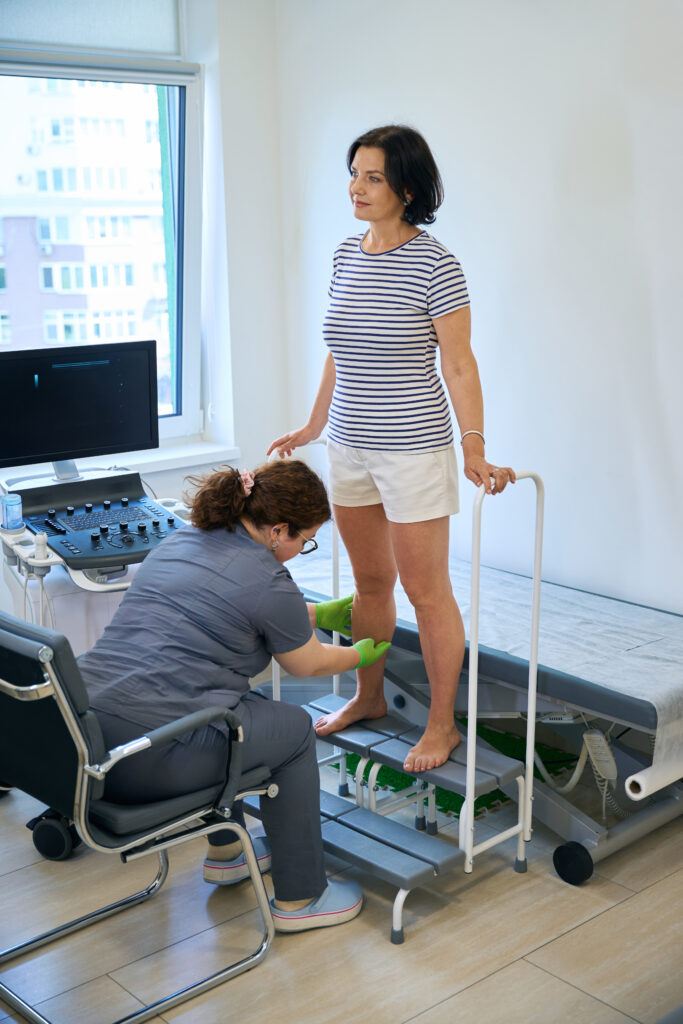
Clinic initial evaluation showing therapist performing gait analysis with patient demonstrating walking pattern
Mastering Manual Therapy: Proven Techniques for Optimal Physical Therapy Results
Mastering manual therapy involves blending targeted soft-tissue techniques, joint mobilizations, and neurodynamic training to address pain generators while improving mobility and function. When combined with progressive strengthening and neuromuscular re-training, manual therapy provides symptomatic relief and improves movement quality, reducing recurrent injury risk and promoting faster return to activity. Practitioners should document objective gains and incorporate patient-reported outcomes to refine therapeutic plans and ensure interventions translate into meaningful functional improvements. In settings that treat sports related injuries or postural anomalies, the integration of sport-specific drills and movement re-education accelerates recovery and minimizes re-injury. Regular re-assessment and patient education on activity modification help maintain progress. Clinics that empower physical therapists, chiropractors, and massage therapists to collaborate typically report higher patient satisfaction and shorter episodes of care.

Therapist performing soft tissue mobilization on athlete while recording functional progress metrics
Understanding the Core Concepts of Orthopedic Physical Therapy for Pain Relief
Orthopedic physical therapy centers on identifying mechanical contributors to symptoms and applying graded interventions to restore load tolerance and function without defaulting to invasive procedures. Core concepts include movement investigation, progressive loading, and neuromuscular control exercises tailored to the individual’s activity demands and goals. Implementing objective tests for strength, mobility, and functional tasks enables clinicians to track improvements and revise the customized plan accordingly. For patients recovering from surgery or experiencing chronic intermittent aches, combining manual therapy with targeted exercise and patient education typically results in improved outcomes and reduced reliance on pain medications. Clinicians should also address psychosocial factors that influence recovery and provide strategies for injury prevention, promoting sustained health control and lasting relief.
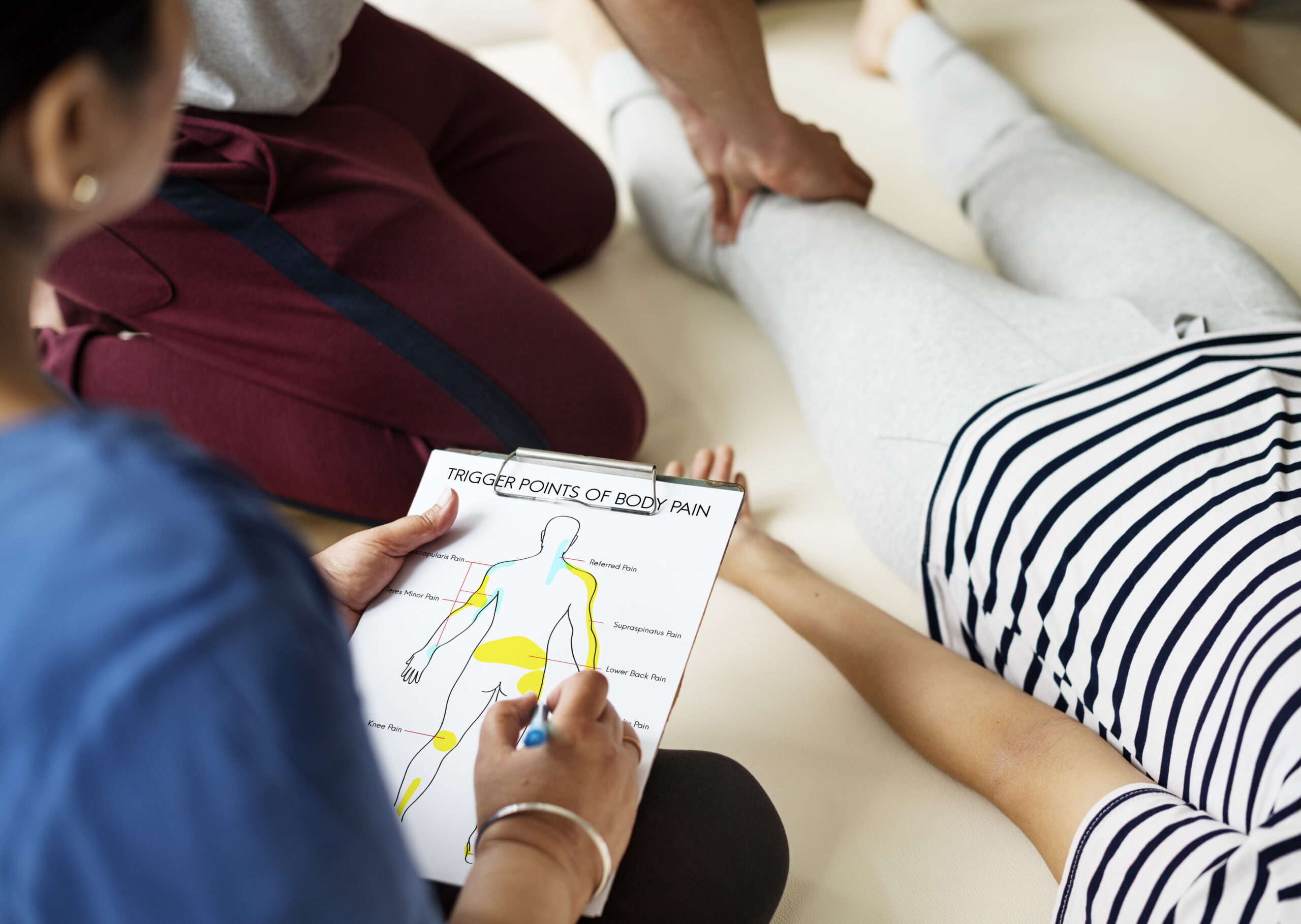
Chart displaying progressive loading stages for orthopedic rehabilitation with milestones and return-to-activity guidance
Your Path to Lasting Health: Embracing Quality Care and Effective Physical Therapy for Pain Relief
Your path to lasting health emphasizes collaboration across disciplines—physical therapists, chiropractors, and medical doctors—to craft therapeutic plans that prioritize functional goals, sustained activity, and minimizing recurrence of symptoms. Clinics that offer patient education, structured home programs, and regular re-assessments achieve better long-term outcomes and higher rates of lasting relief; case series demonstrate reduced recurrence when movement retraining and ergonomic corrections are emphasized. Including services like occupational therapy, outpatient rehabilitation, and targeted interventions for auto accidents or sports injuries ensures comprehensive coverage for many patients. For administrators seeking vendor solutions to streamline clinic operations, clinical libraries, and patient engagement tools can complement care delivery and support news and updates distribution. By focusing on measurable outcomes, practical self-management strategies, and close clinician-patient collaboration, clinics can ensure patients achieve meaningful recovery and sustained health control.

Patients performing functional exercises in group class with clinician supervision and progress tracking board
Consolidating Your Progress: A Summary of Key Takeaways for Your Wellness Journey
Consolidating progress requires documenting objective improvements, revisiting goals, and adjusting therapeutic plans to transition patients from clinic-based care to independent maintenance programs. Emphasize core strategies such as graded strengthening, flexibility work, and activity modification to reduce risk of reinjury and address persistent discomfort effectively. For individuals returning to sport or demanding occupations, targeted conditioning and neuromuscular training support safe reintegration and reduce future physical setbacks. Regular follow-up touchpoints, access to helpful tips, and availability of resources for news and updates keep patients engaged and informed. Coordination with medical doctors for diagnostic clarification or surgical consultation ensures that red flags are managed appropriately while preserving the non-surgical approach where indicated. Successful consolidation leads to confidence in self-management and measurable reductions in symptom recurrence, demonstrating value to both patients and referring clinicians.

Therapist reviewing outcome measures with patient and demonstrating maintenance exercises in clinic setting
Med America Rehab’s Thoughts on Achieving Optimal Pain Relief with Physical Therapy
Med America Rehab emphasizes integrated care pathways that prioritize functional recovery, patient education, and evidence-based interventions to achieve optimal pain relief without unnecessary escalation to surgery. Their approach often involves interdisciplinary collaboration, timely outpatient rehabilitation referrals, and clear documentation to support return-to-work outcomes and address Workers’ Comp issues efficiently. Emphasis on licensed therapists delivering personalized treatment ensures consistency and quality across visits; including massage therapists alongside physical therapists and chiropractors can address soft tissue contributors to pain. Case metrics from similar programs show improved return-to-function and patient satisfaction when standardized protocols are implemented alongside clinician autonomy to tailor treatments. Med America Rehab encourages clinics to adopt outcome measures, support therapeutic plans with objective criteria, and maintain open channels with medical doctors for complex diagnosis and treatment decisions.
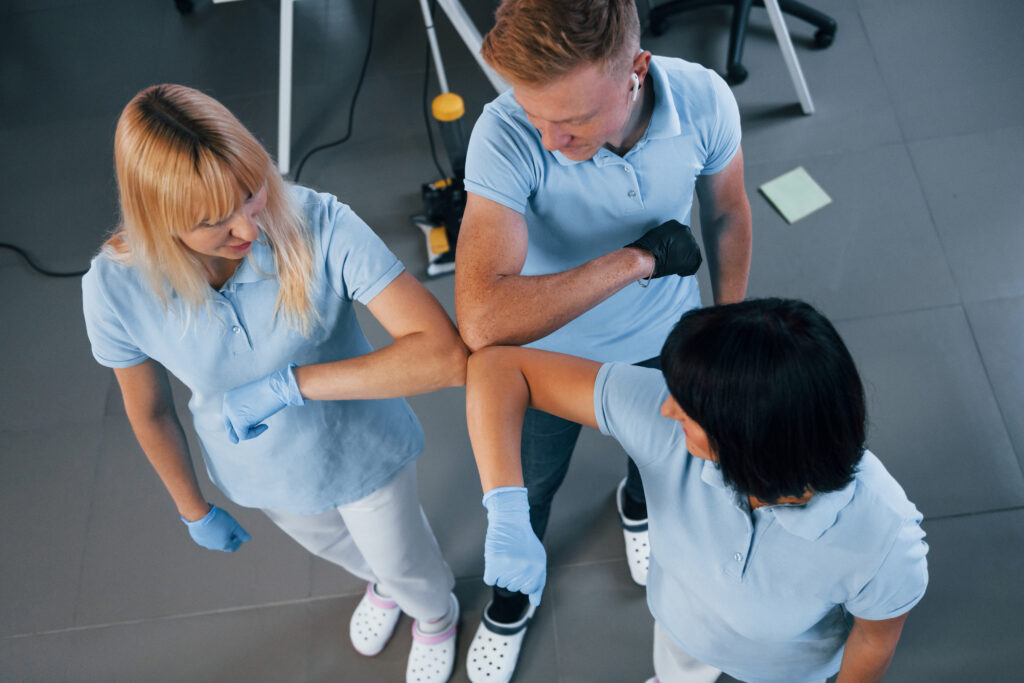
Rehabilitation team meeting discussing outcome measures and individualized patient progress summaries